Cookeville’s older homes are some of the most interesting properties in Middle Tennessee. The neighborhoods surrounding downtown — homes built in the 1930s, 40s, and 50s — have a character that newer construction simply can’t replicate. Wide front porches. Original hardwood floors. Plaster walls with real depth. Built-ins and millwork that reflect genuine craftsmanship.
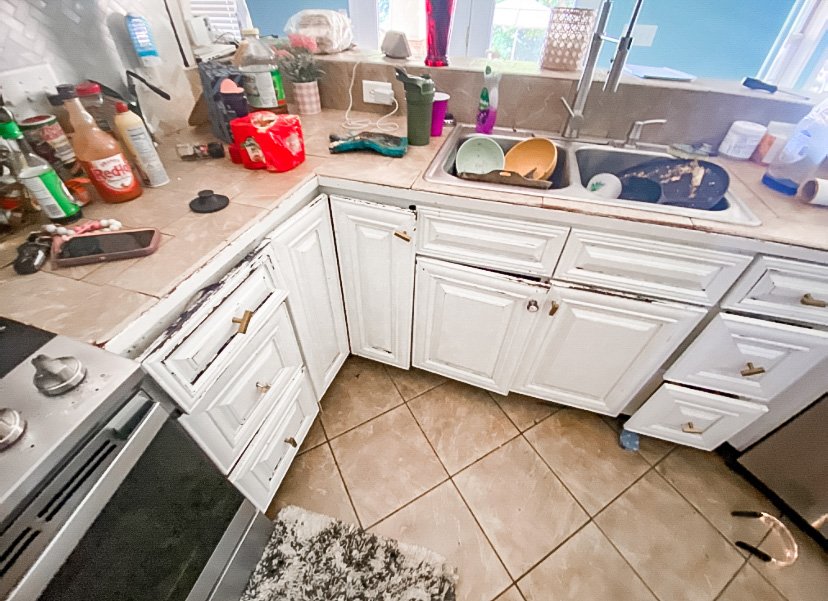
They’re also among the most complex homes to renovate. If you own one of these homes — or you’re considering buying one — here’s what you need to know before you start any renovation work.
The Character Is Worth Preserving
The instinct when an older home feels dated is to modernize everything. Strip out the old, install the new, and end up with something that looks like it was built last year. This approach often produces results that are technically updated but feel hollow — because the elements that gave the home its character have been removed along with the things that needed replacing.
Josie Davis describes the philosophy H&H brings to older homes:
“I think that there’s a lot of beauty in the bones. There’s also a lot of termites and mold, but there’s a lot of beauty too. And I think that can be harnessed and made really beautiful again. It’s nice to see history woven with new age and new influence. I think those are the most beautiful spaces when you marry the older charm with the newer aesthetics.”
The goal in an older home renovation isn’t to make it look new. It’s to make it look like the best version of what it already is — modern function with preserved character.
What to Expect Behind the Walls
This is the part of older home renovation that surprises people the most — and the part that makes budget contingency non-negotiable. When you open up walls and floors in a Cookeville home built before 1960, you should expect some combination of the following:
Knob-and-Tube or Aluminum Wiring
Homes built before the 1950s frequently have knob-and-tube wiring — an old system that isn’t inherently dangerous if left alone but that can’t be extended and isn’t compatible with modern electrical loads. Aluminum wiring was common in the 1960s and 70s and requires specific handling to be safely maintained. Either condition typically requires electrical updates as part of any significant renovation.
Galvanized Steel Plumbing
Galvanized pipes corrode from the inside out over decades. By the time a home is 60–70 years old, galvanized supply lines often have significant buildup that restricts flow and affects water quality. Discovering galvanized plumbing during a kitchen or bathroom renovation typically means replacing it — which adds cost but improves the home significantly.
Plaster Walls
Pre-1950s homes have plaster rather than drywall. Plaster is actually superior to drywall in many respects — denser, better sound insulation, more durable — but it’s harder to work with. Cutting into plaster for electrical or plumbing work requires care. Patching plaster to match existing texture requires skill. Removing plaster entirely and replacing with drywall is the most common approach in major renovations — it makes the rest of the work significantly easier but loses the plaster’s qualities.
Undersized or Poorly Insulated Structures
Homes built in the 1940s were constructed to the standards of that era — which means insulation levels that are well below what’s expected today. Wall insulation in older homes is often minimal or nonexistent. Attic insulation may be present but inadequate by modern standards. Renovation projects that open walls create an opportunity to add insulation — and H&H will flag these opportunities when they arise.
Settling and Structural Shifts
Older homes move. Foundations settle. Wood dries and shifts. Floors that were level 70 years ago may not be perfectly level today. Out-of-plumb walls, doors that have shifted in their frames, and floors with character are normal in older homes — and most of it is cosmetic rather than structural. But some settling indicates issues that need to be addressed, particularly in crawl space foundations where moisture over decades can compromise wood framing.
As Alec Davis explains: “We’ve done several renovations where the houses are incredibly old — when we’re talking old, I mean like thirties, forties, where probably the bones are no longer there and we’re reinforcing the bones to help keep it up.”
What’s Often Worth Keeping
Not everything in an older home needs to go. In fact, some of the most valuable elements are things that would be expensive to replicate with new construction:
- Original hardwood floors — often thick enough to be sanded and refinished multiple times. If they’ve been covered by carpet for decades, what’s underneath is frequently in better shape than expected.
- Period millwork and trim — door casings, baseboards, built-in bookcases, and window surrounds that reflect craftsmanship no longer common in production homes.
- Original tile — black-and-white hexagon floors, subway tile, and period bathroom tile that’s currently popular again precisely because it’s authentic.
- Character details — transoms, built-in niches, butler’s pantries, breakfast nooks, and spatial layouts that reflect how homes were actually lived in during that era.
H&H evaluates every older home renovation with an eye toward what’s worth preserving — and helps homeowners make those decisions with full information rather than defaulting to demolition. You can read more about that design philosophy in our post on finding beauty in the bones. And to understand what budgeting for an older home renovation realistically requires, see our guide on how to budget for a renovation without surprises.
Renovating an Older Cookeville Home? Let’s Talk.
H&H has been working in Cookeville’s older homes for over a decade. We know what to expect, how to handle what we find, and how to preserve what makes these homes special while modernizing what needs updating.
📞 (931) 329-5754 | 📧 davishandh@gmail.com